How to Identify a Rock in the Field: A Simple Checklist
Picking up an interesting stone is easy. Figuring out what it actually is takes a little more method. Before you snap a photo for identification, a quick visual pass can narrow things down and help you understand the result you get back.
1. Look at the color, but don't trust it alone
Color is the first thing anyone notices, and the least reliable clue on its own. The same mineral can show up in a dozen shades depending on trace impurities, while completely different rocks can look nearly identical in color. Use it as a starting point, not a conclusion.
2. Check the texture and grain
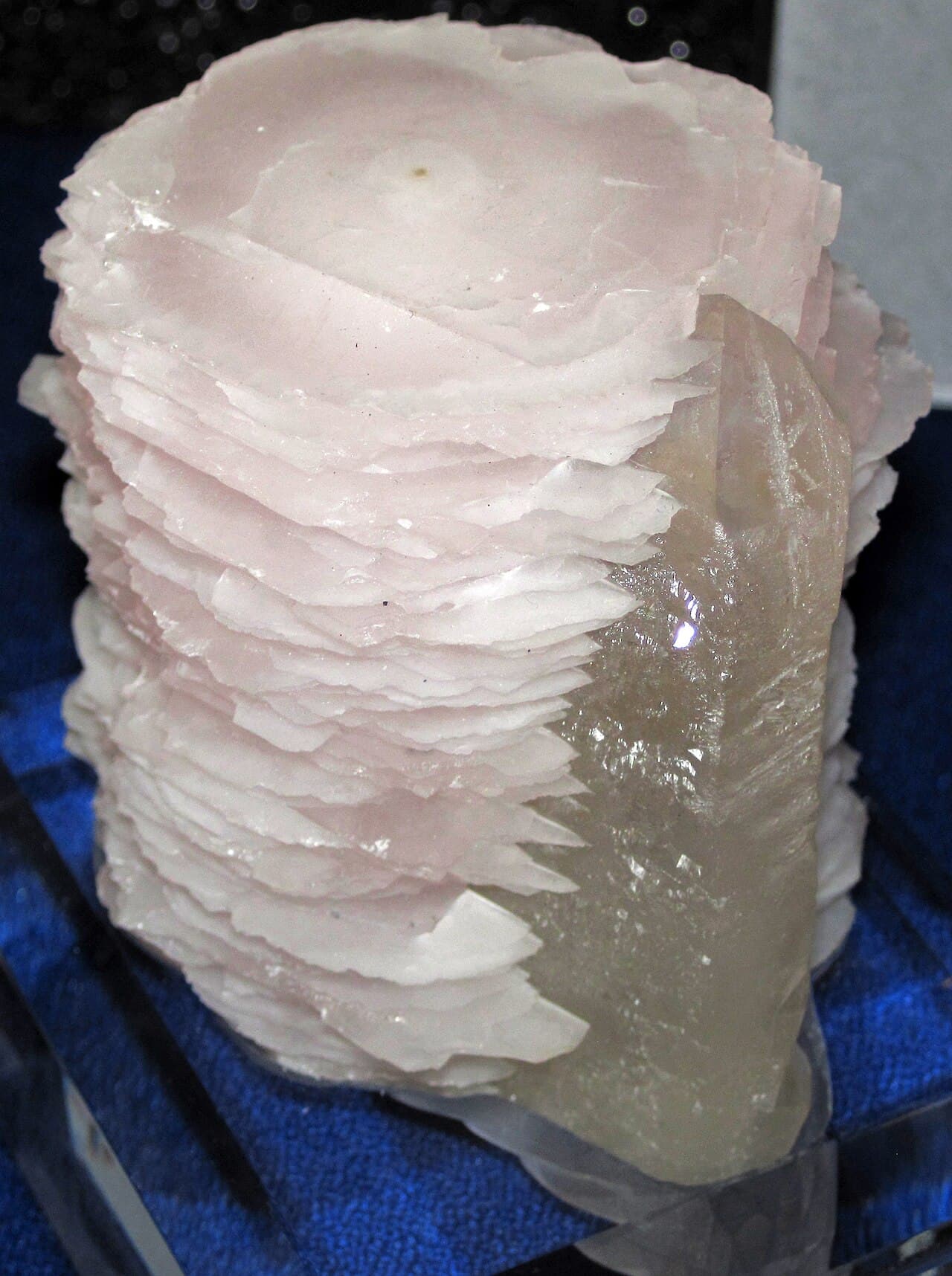
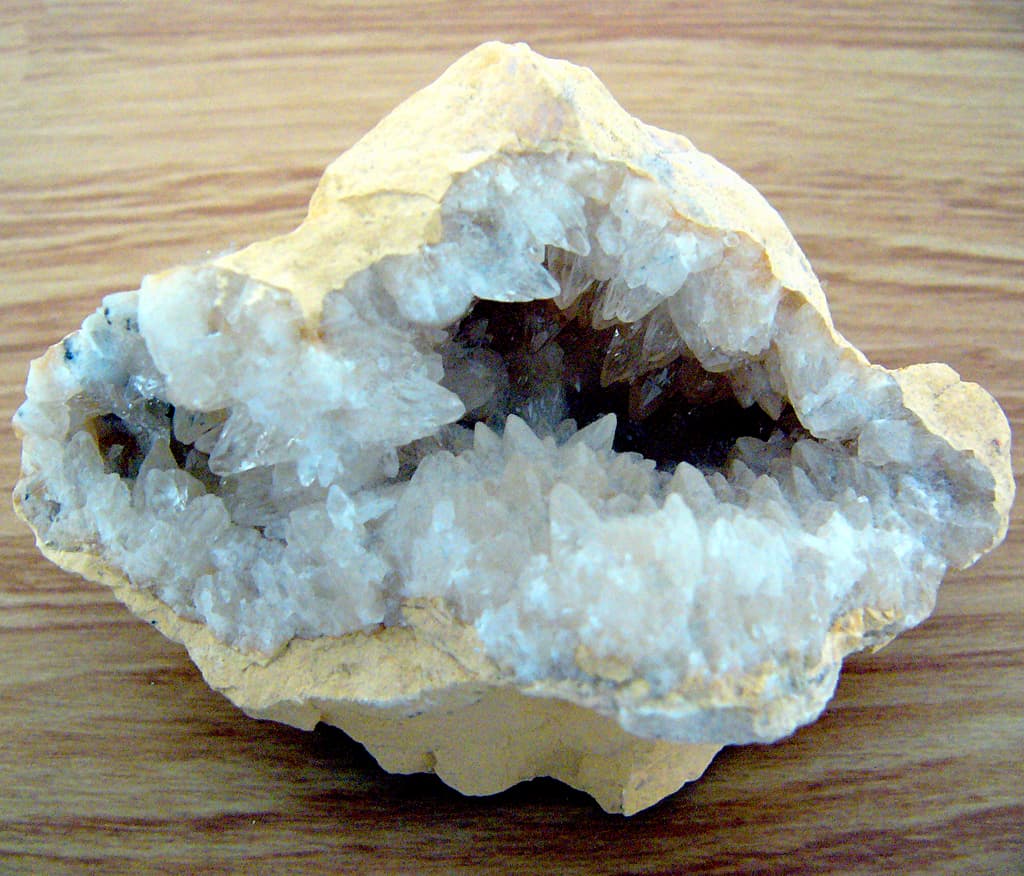
Run a finger across the surface. Is it smooth and glassy, gritty and granular, or made up of visible interlocking crystals? Texture often says more about how a rock formed than color does — fine grains usually mean rapid cooling or fine sediment, while large visible crystals suggest a slower formation process underground.
Get Rock Identifier free on iPhone and Android.
3. Look for layering or banding
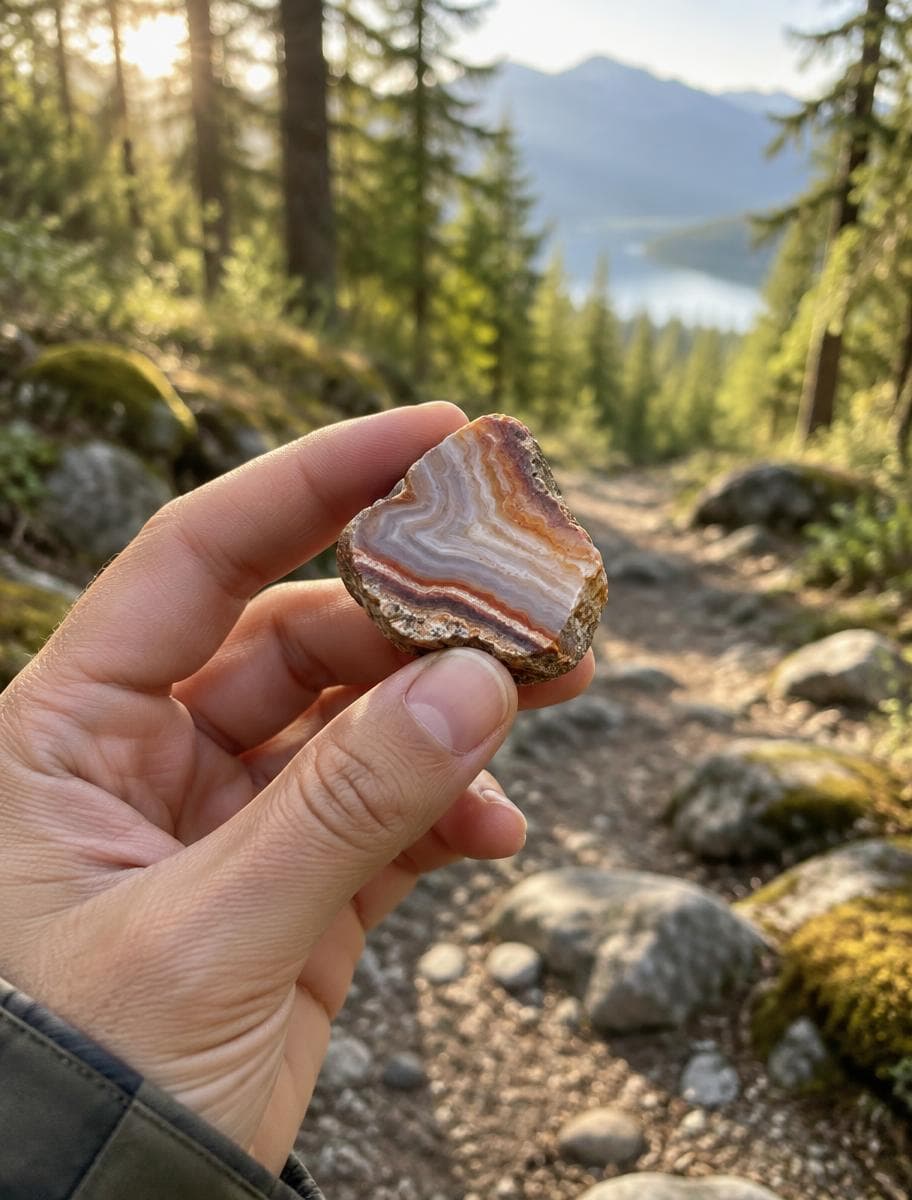
Sedimentary rocks often show visible layers, sometimes in different colors, from material deposited over time. Banded patterns in a polished stone can also be a strong clue for certain minerals and agates specifically.
4. Test the hardness carefully
The Mohs hardness scale runs from 1 (talc, scratches with a fingernail) to 10 (diamond). A simple at-home test: if your fingernail scratches it, it's soft; if a steel knife scratches it but not glass, it's in the middle range; if it scratches glass easily, it's harder still. This alone can rule out a lot of possibilities.
5. Consider where you found it
Location matters more than people expect. A riverbed, a mountain trail, and a beach each tend to produce very different specimens, since local geology shapes what naturally occurs there.
Once you've made these observations, a clear, well-lit photo of the surface and any distinctive features gives an identification tool much more to work with — and gives you context to understand whatever it comes back with.