Geodes: How to Find Them and What's Inside
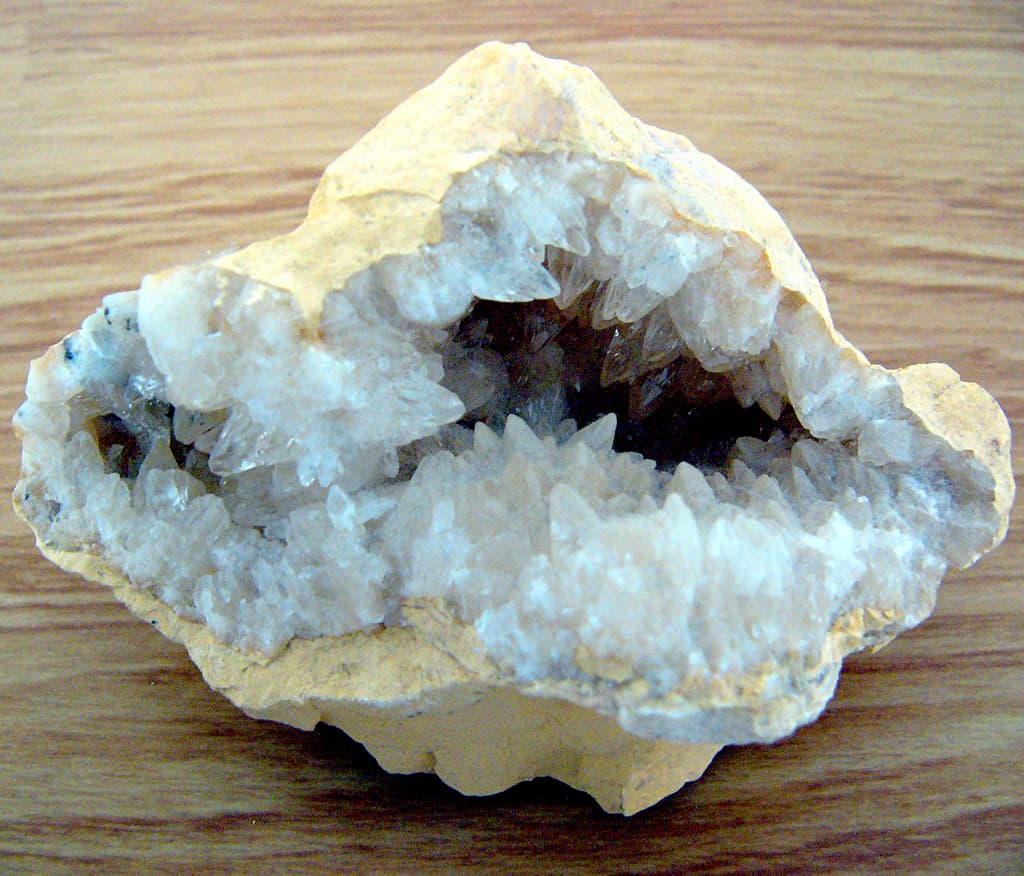
Most people who find their first geode almost throw it away. From the outside it just looks like a lumpy, unremarkable rock. Crack it open, though, and you might find a hollow chamber lined with glittering crystal points. That contrast between a plain shell and a dazzling interior is exactly what makes geodes so much fun to hunt for.
1. How a geode actually forms
A geode starts as a hollow space, or cavity, inside rock. That cavity can begin two different ways. In volcanic rock, it can be a gas bubble that got trapped as lava cooled. In sedimentary rock like limestone or marl, it more often starts as a nodule, where groundwater dissolves part of the surrounding rock and hollows out a void.
Once the cavity exists, mineral-rich groundwater slowly moves through it. Over a long stretch of time, that water deposits dissolved minerals along the inside walls, layer by layer, which is why many geodes show banding near the outer shell before opening into a crystal-lined center. The exact minerals depend on whatever was dissolved in the water passing through, which is why two geodes from the same hillside can look completely different inside.
2. Where to look
Geodes tend to cluster in specific regions rather than showing up everywhere, because they need the right host rock and the right geologic history. In the United States, the area around Keokuk, Iowa, is one of the most famous geode localities in the world, with geode-bearing limestone that also extends into nearby parts of Missouri and Illinois. Collectors there often find loose geodes concentrated in stream beds and along riverbanks after they've weathered out of the surrounding rock.
Out west, the Dugway Geode Beds in Juab County, Utah, sit on public Bureau of Land Management land and are open to casual, permit-free collecting for personal use. There, geodes weather out of volcanic tuff and turn up scattered across the surface of eroded hillsides, so a good pair of eyes and a bit of walking often turns up more than heavy digging does.
In general, road cuts, eroding hillsides, dry stream beds, and desert washes are good places to check in any known geode-bearing region, since erosion does the work of exposing them for you.
3. Signs you've found one
An unopened geode usually looks like an ordinary, roundish or knobby rock, often with a bumpy, chalky, or dimpled surface that's different in texture from the surrounding rock. That irregular, almost cauliflower-like exterior is one of the better visual clues.
Weight is another giveaway. Because a geode is hollow or partly hollow, it's often noticeably lighter than a solid rock of the same size would be. Give it a gentle shake, too — occasionally you can hear loose material or even water shifting inside, though plenty of solid-feeling geodes still turn out to have crystals inside once opened.

Get Rock Identifier free on iPhone and Android.
4. Opening it safely
Opening a geode can send sharp rock fragments flying, so treat it like any other rock-breaking task and take real safety precautions. Always wear safety glasses or goggles and gloves, and do the work outdoors or in a garage rather than a living space.
Wrap the geode in a thick cloth or towel, or place it inside a sock, before you strike it. This helps contain fragments and protects your hands. A rock hammer and chisel is the classic approach: score a line around the geode's middle, then tap steadily along that line rather than aiming for one big blow, which gives you a better chance of a clean split instead of shattering the crystals inside.
If you'd rather not swing a hammer, many lapidary and rock shops have a trim saw or dedicated geode-cutting saw and will slice one open for a small fee. That route is generally safer and gives a cleaner, more symmetrical cut than hammering at home, especially for a geode you don't want to risk damaging.
5. What you might find inside
Quartz is by far the most common crystal lining found inside geodes, often as small, clear to milky points packed tightly across the cavity wall. When that quartz forms with a purple tint, you've got amethyst, one of the more prized geode fillings collectors look for.
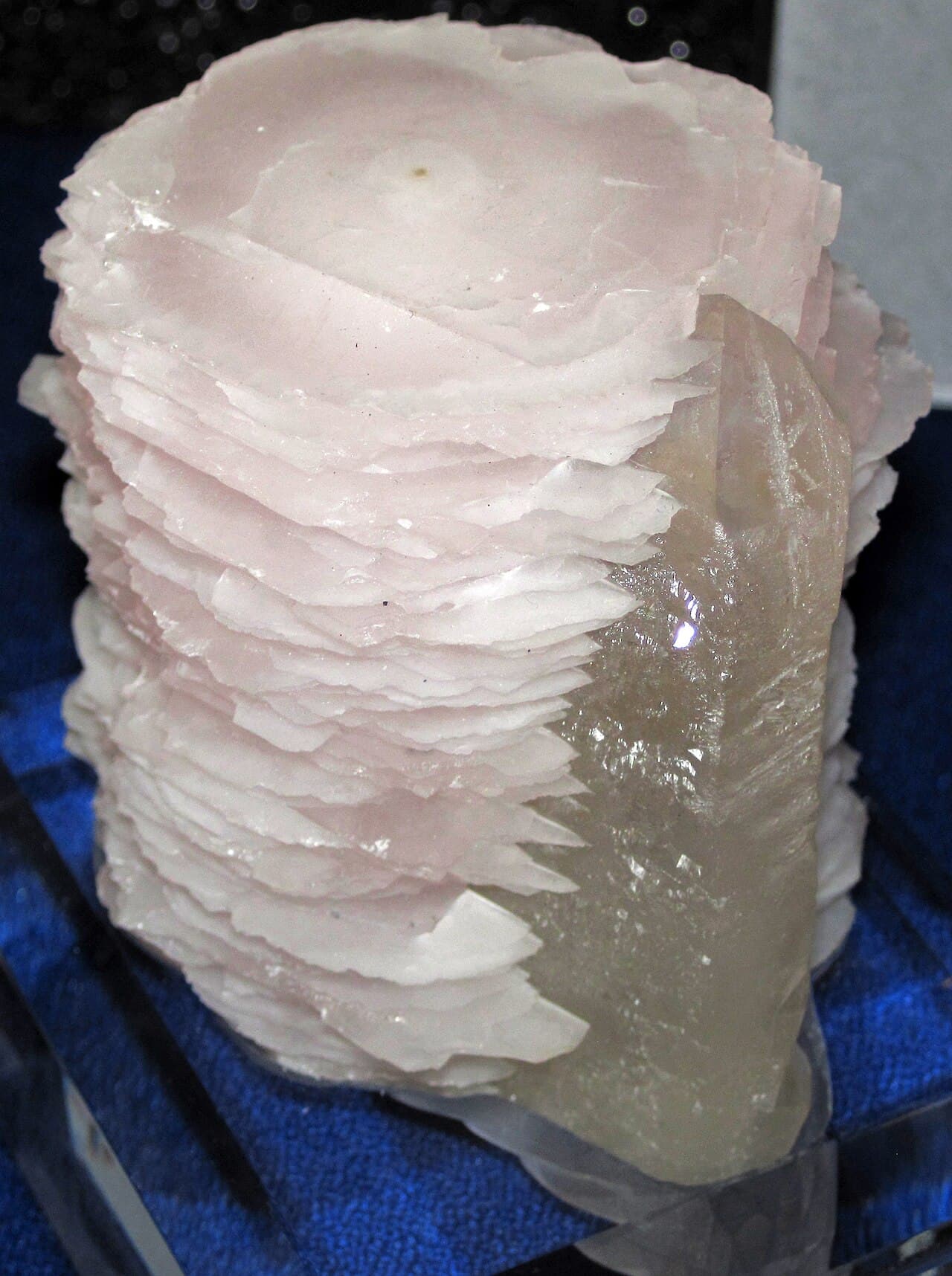
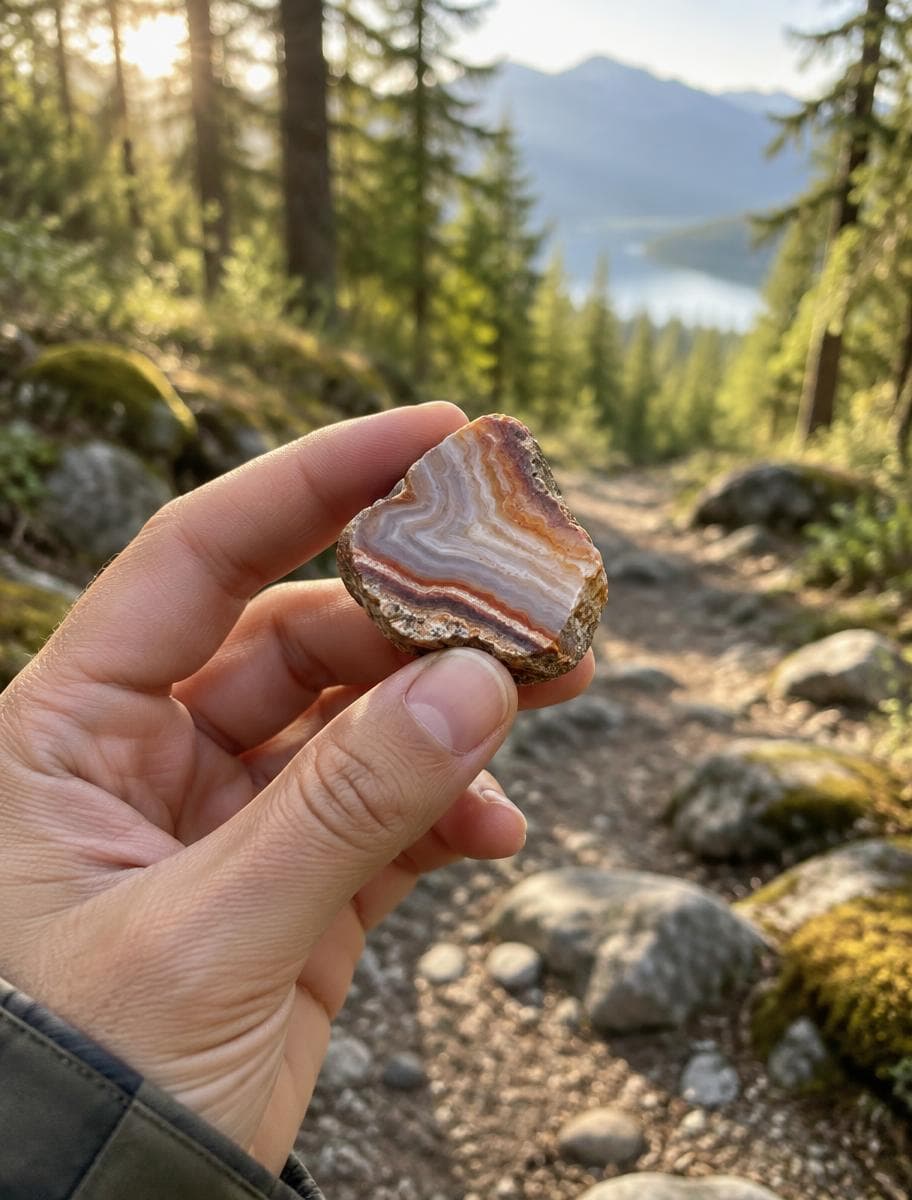
Calcite is another frequent find, usually showing up as blockier, glassier crystals rather than sharp points, sometimes in a different color than the quartz around it. You'll also commonly see chalcedony, a fine-grained, waxy-looking form of quartz that often lines the shell just beneath the larger crystal points, sometimes banded like agate.
Whether you cracked one open yourself or picked one up already split at a rock shop, a good photo is the easiest way to start figuring out exactly what's lining it. Snap a clear shot of the crystal-filled interior and run it through the app's identification tool, then save it to your Collection so you can build up a record of every geode and mineral you come across.