Real or Fake? Spotting Synthetic Gemstones
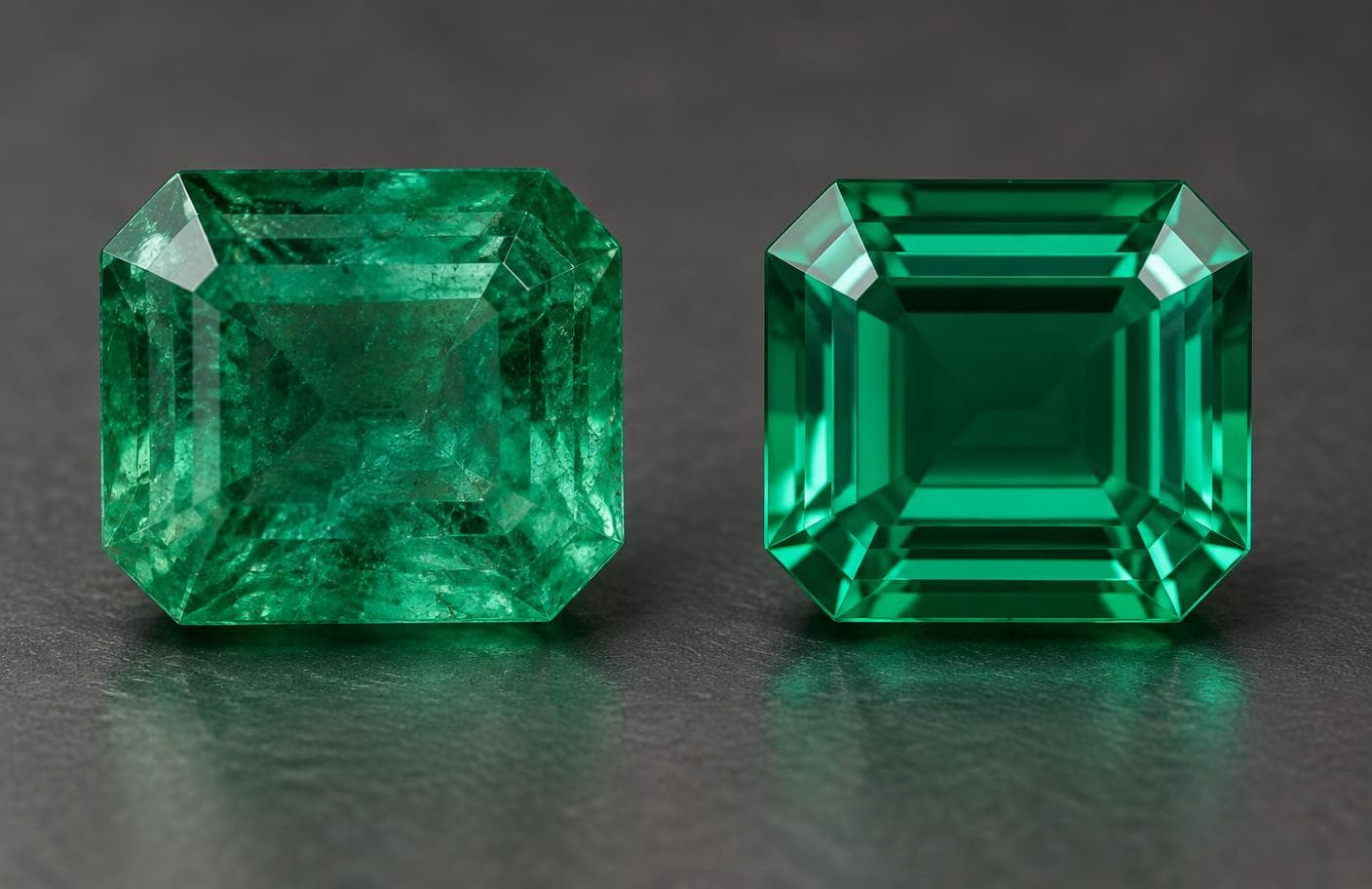
Not every colorful stone that looks like an emerald or a sapphire is one. Between natural gemstones, lab-created equivalents, and outright imitations made of glass or plastic, telling them apart by eye takes practice — and even then, some cases genuinely need lab testing.
Natural stones tend to be imperfect
Real gemstones almost always contain natural inclusions — tiny mineral fragments, fractures, or color zoning from how they formed underground over long periods of time. A stone that looks flawless under magnification is often a signal to look closer, not a reason for excitement.
Uniform color can be a red flag
Natural color in a gemstone is rarely perfectly even. Look for subtle variation across the stone. A suspiciously uniform, saturated color throughout — especially in a large, inexpensive stone — is a common trait of glass or synthetic material.
Get Rock Identifier free on iPhone and Android.
Bubbles are a strong sign of glass
Rounded gas bubbles trapped inside a stone are a classic indicator of glass, since natural crystal growth doesn't typically produce that shape of inclusion. A jeweler's loupe or even a strong photo zoom can sometimes reveal this.
When in doubt, get it tested
Visual clues are a helpful starting point for casual identification and for learning, but they aren't a substitute for professional testing when real money or sentimental value is on the line. For anything you're considering buying, selling, or insuring, a certified gemologist can confirm what a photo alone cannot.